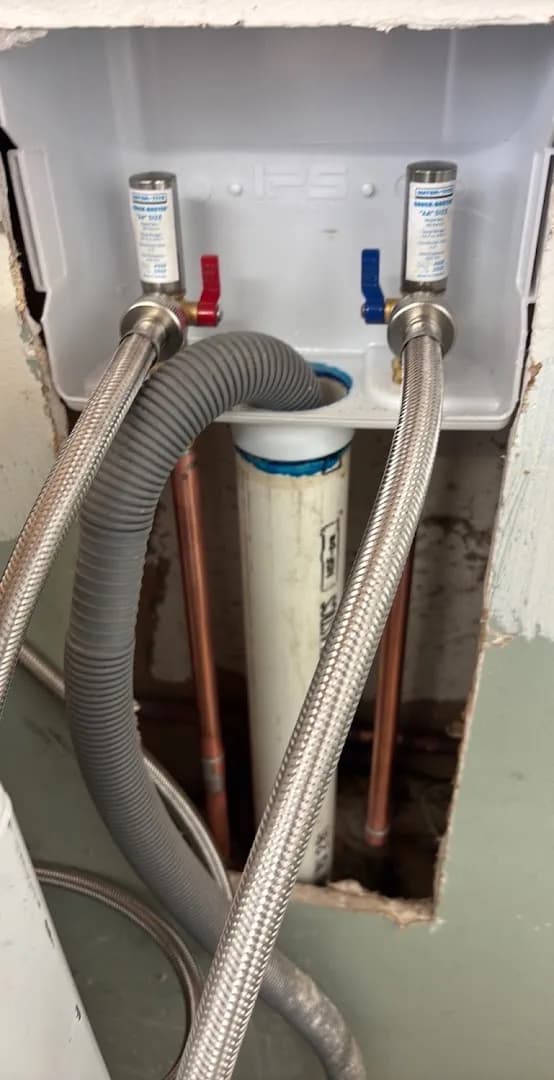
If you own an older home in northern Palm Beach County, there's a real chance your walls hide a plumbing material that insurers no longer want anywhere near your policy: polybutylene pipe. Millions of homes across Florida were plumbed with it between the 1970s and the mid-1990s, and it has since earned a reputation for failing without warning. This guide explains what polybutylene pipe is, why it's a particular problem in Florida, how it's affecting homeowners insurance right now, and what your options are.
What are polybutylene pipes?
Polybutylene is a gray (sometimes blue or black) flexible plastic pipe used for water supply lines in homes built roughly between 1978 and 1995. It was inexpensive and easy to install, so builders used it widely — and Florida, in the middle of a construction boom during those years, has more polybutylene piping still in service than almost any other state. You'll hear the same material called poly pipe, PB, or Quest pipe; they all mean polybutylene.
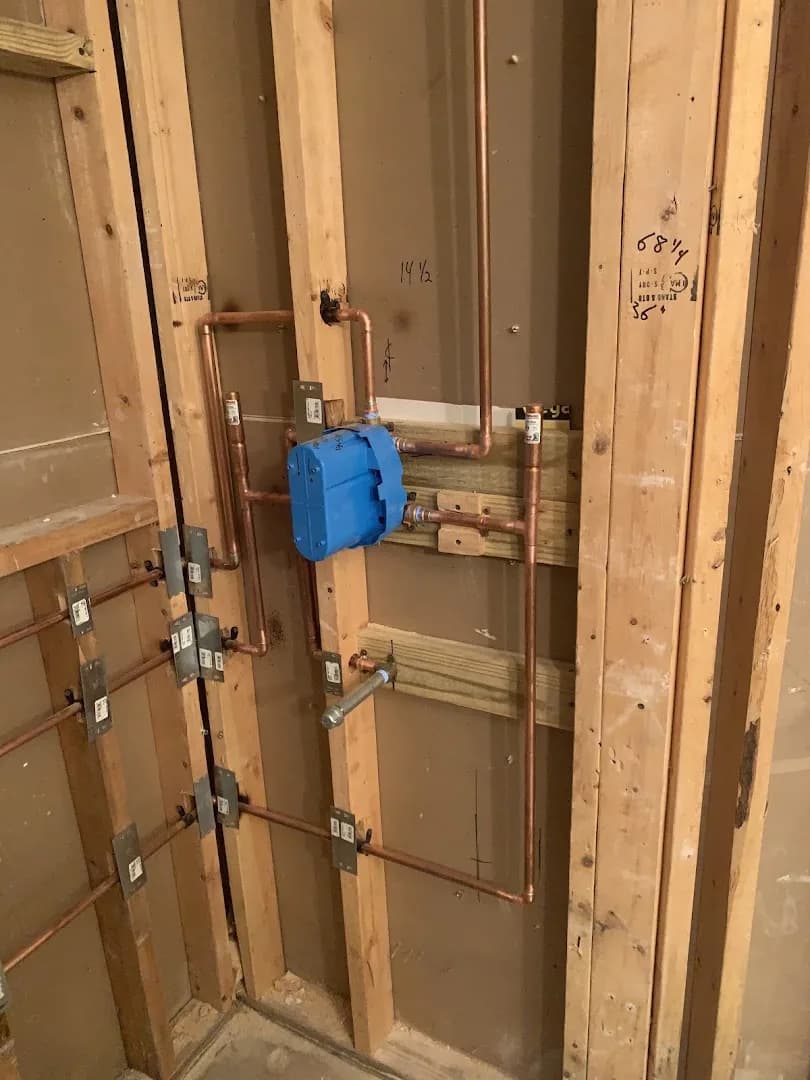
How do I identify poly pipes in a Florida home?
You can often spot it yourself. Poly pipes in Florida homes are typically gray, flexible, and ½ inch to 1 inch in diameter, and usually stamped with the code "PB2110." Check wherever pipes are visible — near the water heater, at the main shutoff, or under sinks. If your home was built in that window and the plumbing has never been replaced, there's a good chance polybutylene is still in the walls even if you can't see it.
One caveat worth knowing: what's visible at the water heater isn't always what's behind the drywall. Some homes were partially repiped over the years, with the exposed runs swapped for copper while the poly stayed in the walls. Confirm what you actually have before making decisions about insurance or replacement.
Why do polybutylene pipes fail?
The problem is chemical. The chlorine and chloramines used to disinfect public water supplies react with polybutylene and its fittings over time, causing the pipe to become brittle from the inside out. Micro-fractures form, and eventually the pipe cracks or a fitting lets go.
What makes this dangerous is how it fails. Rather than a dramatic burst you'd catch immediately, polybutylene often develops slow, hidden leaks behind walls, above ceilings, and under floors. These can go undetected for weeks or months, quietly causing mold growth, wood rot, and structural damage before anyone notices a stain. By the time the failure is visible, the repair bill often includes far more than the plumbing.
Is there still a polybutylene pipe lawsuit in Florida?
This is one of the most common questions, and the answer disappoints a lot of homeowners: no. There was a major class-action settlement (Cox v. Shell Oil) that once reimbursed homeowners for polybutylene replacement, but that settlement fund closed many years ago. If you're searching for a polybutylene pipe lawsuit in Florida hoping for compensation, there is no active fund paying claims today. Replacing the pipe is now the homeowner's responsibility — which makes the insurance picture below all the more important.
How do polybutylene pipes affect homeowners insurance in Florida?
This is where the issue has become urgent, especially in Florida's already-strained insurance market. Insurers view polybutylene as a known, high-risk liability, and they're acting on it:
- Citizens Property Insurance Corporation — Florida's state-backed insurer of last resort — will not insure a home with polybutylene plumbing. For many Florida homeowners, Citizens is the fallback when private coverage disappears, so this is a significant closed door.
- Private insurers are auditing existing policies. If they discover polybutylene during an inspection, they may decline to renew or cancel with short notice.
- When coverage is offered, it's often limited. Some carriers cover damage from a polybutylene leak only if it's "sudden and accidental," not the gradual failures polybutylene is known for.
- Premiums can spike dramatically. In some cases the added premium cost of insuring a poly-plumbed home has been reported to run thousands of dollars a year — sometimes approaching the cost of simply replacing the pipe.
The practical takeaway: in 2026's Florida insurance climate, polybutylene isn't just a plumbing risk, it's an insurability risk. Replacing it can be what keeps your home insurable at a reasonable rate.
How much does it cost to replace polybutylene pipes?
Replacing polybutylene means repiping the home — removing the old supply lines and running new ones. For a single-family home, a whole-home repipe typically costs $4,000 to $15,000, depending on the size of the home, the number of bathrooms, and how accessible the pipes are.
Most homeowners replace polybutylene with PEX tubing, a modern flexible pipe that's durable, freeze-resistant, and cost-effective, though copper is also an option. A professional repipe is usually completed in a few days, with drywall patching to follow. Given what a single hidden failure can cost in water damage — and what polybutylene is doing to insurance premiums — many homeowners find that repiping pays for itself in avoided risk.
Our repiping service handles whole-home and partial repipes throughout our service area, and we can assess your home to confirm whether polybutylene is present before you commit to anything.
What should I do if my Florida home has polybutylene pipes?
A sensible order of operations:
- Confirm it. Look for gray PB2110-stamped pipe at visible points, or have a plumber verify. Don't assume based on age alone — some homes were repiped by previous owners.
- Check your insurance exposure. Ask your carrier whether your policy covers polybutylene and what happens at renewal. Many homeowners discover the problem only when a non-renewal notice arrives.
- Get a repipe assessment. Even if nothing is leaking today, knowing the scope and cost lets you plan rather than react to an emergency.
- Act before it fails. A planned repipe on your schedule is far cheaper than an emergency repair plus water-damage restoration plus a scramble for new insurance.
Get a straight answer on your pipes
Polybutylene is one of the few plumbing issues where doing nothing carries real, growing risk — to your home and to your insurance. People's Choice Plumbing helps homeowners across Jupiter, Palm Beach Gardens, Tequesta, North Palm Beach, Hobe Sound, Stuart, Palm City, and Jensen Beach identify polybutylene and repipe with modern materials.
Request a repiping assessment or contact our team to find out what's in your walls.
Talk to a licensed plumber
Get a firm quote for your home from People's Choice Plumbing, serving Jupiter, Palm Beach Gardens, and all of northern Palm Beach County and Martin County.
Frequently Asked Questions
How do I know if my Florida home has polybutylene pipes?
Look for gray, flexible plastic supply pipe, ½ inch to 1 inch in diameter, often stamped "PB2110," near the water heater, main shutoff, or under sinks. Homes built between roughly 1978 and 1995 that haven't been repiped are the most likely to have it.
Why are polybutylene pipes a problem?
Chlorine and chloramines in the public water supply react with polybutylene over time, making it brittle. It tends to fail through slow, hidden leaks behind walls and under floors, which can cause mold, rot, and structural damage before being discovered.
Will homeowners insurance cover polybutylene pipes in Florida?
Often not. Florida's Citizens Property Insurance will not insure homes with polybutylene, and many private insurers decline to renew, limit coverage to "sudden and accidental" leaks, or raise premiums significantly when they find it.
Is there still a polybutylene lawsuit paying claims?
No. The major class-action settlement (Cox v. Shell Oil) that once reimbursed homeowners closed years ago. Replacement is now the homeowner's responsibility.
How much does it cost to replace polybutylene pipes?
A whole-home repipe typically costs $4,000 to $15,000 depending on home size, number of bathrooms, and pipe accessibility. Most homeowners replace polybutylene with PEX tubing.