
For the thousands of snowbirds who call northern Palm Beach County home each winter, late spring brings the annual ritual of closing up the house and heading north. It's tempting to lock the door and go — but a Florida home sitting empty through the summer is exposed to exactly the conditions that cause the most plumbing damage: months of heat, humidity, and hurricane-season storms with no one there to notice a problem. A small leak that would be caught in a day when you're home can run for weeks in an empty house, turning into thousands of dollars of damage and mold.
This checklist focuses on the plumbing steps that protect your home while you're away. Work through it before you leave, and you'll head north with real peace of mind.
Should I shut off the water before leaving for the summer?
Yes — for most snowbird and vacant-home situations, shutting off the main water supply is the single most important step you can take. If no system in your home requires water to stay on, turn the main valve off completely. A pipe or supply line that fails behind a wall or under a sink can flood a home for weeks before anyone discovers it; with the main shut off, that risk largely disappears.
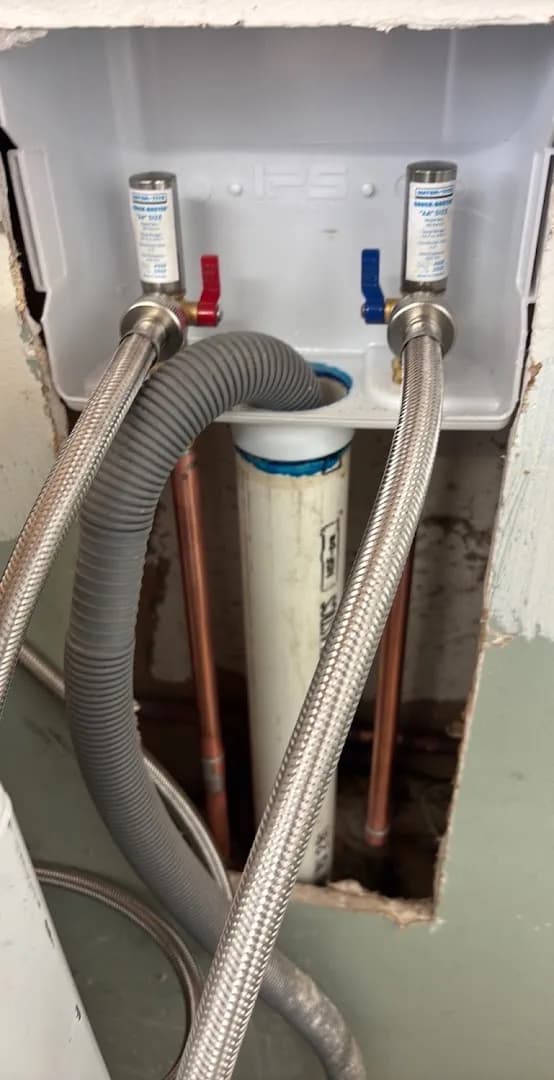
If you can't or don't want to shut off the entire system — perhaps an irrigation timer or a monitored system needs it — at minimum turn off the individual supply valves to your sinks, toilets, washing machine, and dishwasher. These appliance connections are among the most common sources of catastrophic leaks, and they cost nothing to close.
How do I protect my water heater while I'm away?
If you're shutting off the main water supply, take care of the water heater at the same time. Drain the tank, and shut off the circuit breaker (for an electric unit) or set a gas unit to its vacation or pilot setting. Leaving a water heater powered with no water demand for months wastes energy and adds unnecessary wear. Draining it also removes standing water that can stagnate over a long, hot Florida summer.
This is also a smart moment to think about the heater's age. If your tank is approaching the 10-year mark, you'd rather replace it on your schedule than have it fail while you're a thousand miles away. A quick check before you leave can save a nasty surprise in the fall.
How do I keep drains from smelling when the house is empty?
Drain traps rely on a small amount of standing water to block sewer gas from rising into your home. Over a long absence in Florida's heat, that water evaporates, and you return to a house that smells like a sewer. Two simple steps prevent it:
- Cover sink and shower drains, and the toilet bowls and tanks, with plastic wrap. This dramatically slows evaporation from the traps.
- For toilets, you can also pour a small amount of mineral oil into the bowl to float on top of the water and slow evaporation further.
It takes ten minutes and saves you an unpleasant homecoming.
How can I detect a leak while I'm gone?
You can't watch the house yourself, so let technology do it. A water leak detection sensor connected to a remote monitoring system will alert you by phone or email the moment it senses water. Place sensors where leaks are most likely: under sinks, beside toilets, behind the washing machine, near the dishwasher, and at the water heater. For homes that keep the water on, a smart whole-home shutoff valve can detect an abnormal flow and close the main automatically — the gold standard for vacant-home protection.
It's also worth scheduling a professional leak detection inspection before you leave. A plumber can find hidden leaks and pressure issues that you'd never spot on your own but that could quietly worsen over an empty summer.
Why does hurricane season make this more urgent?
Here's the part snowbirds sometimes overlook: the summer months you're away — roughly June through November — are also hurricane season in Florida. Storms bring power surges, pressure fluctuations, and the kind of heavy rain that finds every weakness in a home. A plumbing problem that coincides with a storm and a power outage, in a house no one is watching, is the worst-case scenario. Closing the water main and setting up leak monitoring before you leave is your best defense against returning to a flooded home in the fall.
This is also why arranging for someone — a neighbor, a family member, or a professional home-watch service — to check the home periodically is so valuable. Have them look for stains, odors, damp flooring, active drips, and water around appliances, especially after heavy rain or strong wind.
What about older homes with aging pipes?
Many of the homes in our area built before the late 1990s contain polybutylene pipe, a gray plastic plumbing material that was widely installed across Florida and is now known to fail without warning. A polybutylene line that lets go in an occupied home is a bad day; one that lets go in a home that's empty for the summer is a disaster. If your home is older and you're not sure what your pipes are made of, it's worth finding out before you leave it vacant for months. Our repiping team can assess your plumbing and explain your options — and many Florida insurers now factor pipe material into coverage, so it's worth knowing where you stand.
Your pre-departure plumbing checklist
Before you head north, run through this quick list:
- Shut off the main water supply (or at minimum, the valves to sinks, toilets, washer, and dishwasher).
- Drain the water heater and switch off its breaker or set it to vacation mode.
- Cover sink, shower, and toilet drains with plastic wrap; add mineral oil to toilet bowls.
- Install leak sensors under sinks, by toilets, and behind appliances — or a smart shutoff valve.
- Schedule a professional leak detection inspection to catch hidden problems.
- Have the home checked periodically while you're away, especially after storms.
- If your home is older, confirm whether it has polybutylene pipe and address it before leaving.
Leave with confidence
Closing up your Florida home doesn't have to be stressful. A few hours of preparation — most of it focused on your plumbing — is what stands between a worry-free summer up north and a flooded living room in the fall. People's Choice Plumbing helps snowbirds across Jupiter, Palm Beach Gardens, Tequesta, North Palm Beach, Hobe Sound, Stuart, Palm City, and Jensen Beach prepare their homes before they leave and get them running again when they return.
Talk to a licensed plumber
Get a firm quote for your home from People's Choice Plumbing, serving Jupiter, Palm Beach Gardens, and all of northern Palm Beach County and Martin County.
Frequently Asked Questions
Should I turn off the water when leaving my Florida home for the summer?
Yes. Shutting off the main water supply is the most effective way to prevent water damage in a vacant home. If you can't shut off the main, at least close the supply valves to sinks, toilets, the washing machine, and the dishwasher.
What should I do with my water heater before leaving for months?
Drain the tank and switch off its circuit breaker, or set a gas unit to vacation mode. This prevents wasted energy and unnecessary wear while no one is using hot water, and removes standing water that can stagnate over the summer.
How do I keep my drains from smelling while the house is empty?
Cover sink, shower, and toilet drains with plastic wrap to slow evaporation from the traps, and add a little mineral oil to toilet bowls. This keeps the trap water from drying out and letting sewer gas into the home.
How can I detect a leak in my home while I'm away?
Install water leak sensors connected to a remote monitoring system under sinks, near toilets, and behind appliances, so you're alerted by phone or email. A smart whole-home shutoff valve offers the strongest protection by closing the main automatically if it detects abnormal flow.
Why is summer a risky time to leave a Florida home vacant?
Summer overlaps with hurricane season, bringing storms, power surges, and heavy rain that can trigger plumbing failures. With no one home to notice, a leak can run for weeks, so shutting off the water and setting up leak monitoring is essential.
