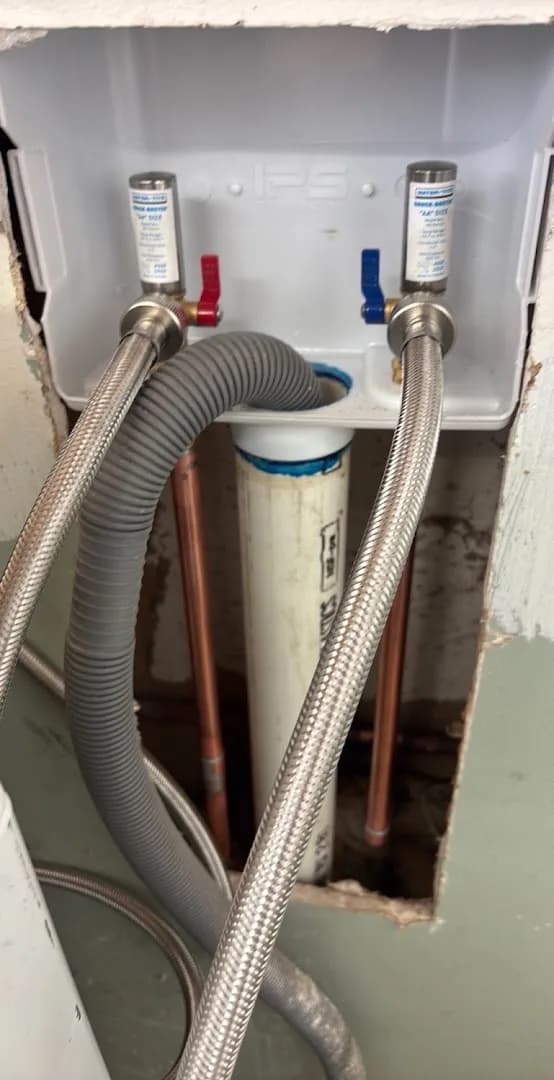
Backflow certification is one of those plumbing requirements most people never think about — until a notice arrives from the water utility saying your device is due for testing. If you have an irrigation system, a fire sprinkler system, or run a commercial property in Florida, backflow testing is very likely a legal requirement, not an option. This guide explains what backflow prevention is, why the state requires testing, how often you need it, who it applies to, and what it costs in 2026.
What is backflow, and why does it matter?
Under normal conditions, water flows one direction: from the public supply into your property. Backflow is when that flow reverses, pulling water from your property back into the public drinking-water system. It happens during pressure changes — a water main break, heavy demand from firefighting, or a sudden drop in supply pressure — which can create suction that siphons water backward.
The danger is contamination. If backflow occurs, whatever is connected to your plumbing — lawn fertilizer and pesticides in an irrigation line, chemicals in a fire-suppression system, or contaminants in a commercial process — can be drawn back into the water everyone drinks. Because a single cross-connection can affect a whole neighborhood's water, backflow contamination is treated as a serious public-health risk.
What is a backflow preventer?
A backflow preventer is a device installed on your water line that allows water to flow only one direction, mechanically blocking any reverse flow. It's the safeguard that keeps a pressure drop from turning your irrigation or fire system into a contamination source. Like any mechanical device, it can wear out or fail — which is exactly why the state requires it to be tested and certified on a schedule by a licensed professional.
Is backflow testing required in Florida?
Yes, for many properties. The Florida Department of Environmental Protection (FDEP) requires backflow prevention on properties where the plumbing could introduce contaminants into the public supply, and it requires those devices to be tested by a certified backflow tester. The state tightened enforcement after contamination events in recent years, so utilities across Palm Beach County and Martin County actively track and enforce testing deadlines.
Backflow prevention and testing are typically required on:
- Irrigation and sprinkler systems (one of the most common residential triggers)
- Fire suppression systems
- Commercial kitchens and restaurants
- Medical and dental facilities
- Any property with an auxiliary water source (a well plus city water, for example)
- Any property whose plumbing could introduce contaminants into the public system
If you're adding a sprinkler system or a booster pump, ask your plumber up front whether backflow certification is required — for many new installations in 2026, it is.
How often does a backflow preventer need to be tested?
The schedule differs by property type:
- Residential: Florida generally requires backflow preventers to be tested every two years by a certified tester.
- Commercial: Commercial devices — including commercial irrigation — generally require testing every year.
Your local water utility sets and enforces the exact schedule and will usually send a notice when your test is due. Missing the deadline can lead to fines or even having your water service shut off, so it's worth staying ahead of it.
How much does backflow testing cost in 2026?
The test itself is inexpensive — typically under $100 for a standard backflow test, though rates vary by provider. What adds cost is when the test reveals a problem: a device that fails testing needs repair or replacement, which is a separate charge. The routine test is a small, predictable expense; the value is in catching a worn or failing device before it fails an inspection or, worse, allows contamination.
Because only a certified backflow tester can perform and file the test, this isn't a DIY item. The tester checks the device, documents the results, and submits certification to your utility.
Who needs to worry about this — homeowners or businesses?
Both, but in different ways. Homeowners most often encounter backflow requirements through irrigation systems — if you have a sprinkler system tied to city water, you likely have a backflow preventer that's on a two-year testing cycle. Businesses face broader and more frequent requirements: restaurants, medical and dental offices, HOAs and multi-unit properties, and any commercial site with irrigation or fire suppression typically need annual testing, and the consequences of non-compliance are steeper.
If you're not sure whether your property has a backflow device or when it was last certified, that's the first thing to check. Our backflow prevention service handles testing, certification, and device repair or installation for both residential and commercial properties across our service area.
What happens during a backflow test?
A backflow test is quick and non-disruptive. A certified tester attaches a specialized gauge to the test ports on your backflow preventer and temporarily shuts off the downstream water to check that the device's internal check valves and relief valve are holding pressure and sealing correctly. The whole process usually takes 20 to 30 minutes for a standard residential device. You may have a brief interruption in water service to that line while the test runs, but there's no digging and nothing invasive.
If the device passes, the tester files the certification with your utility and you're set until the next cycle. If it fails, the tester will explain what's wrong — a worn check valve, a failed relief valve, or a spring that's lost tension — and what repair or replacement is needed to bring it back into compliance. Catching a failing device during a routine test is exactly the point: it's far better to replace a worn part on schedule than to discover the problem during a contamination event or a failed municipal inspection.
Stay compliant and protect your water
Backflow testing is a small, routine requirement that carries real consequences if it's ignored — fines, service interruptions, and a genuine contamination risk. Staying current is simple with a certified tester. People's Choice Plumbing provides backflow testing, certification, and device installation throughout Jupiter, Palm Beach Gardens, Tequesta, North Palm Beach, Hobe Sound, Stuart, Palm City, and Jensen Beach.
Schedule backflow testing or certification or contact our team today.
Talk to a licensed plumber
Get a firm quote for your home from People's Choice Plumbing, serving Jupiter, Palm Beach Gardens, and all of northern Palm Beach County and Martin County.
Frequently Asked Questions
Is backflow testing required in Florida?
Yes. The Florida Department of Environmental Protection requires backflow prevention and certified testing on many properties, including those with irrigation systems, fire suppression, commercial kitchens, medical facilities, or an auxiliary water source. Local utilities enforce the testing schedule.
How often does a backflow preventer need to be tested?
Residential backflow preventers generally require testing every two years, while commercial devices — including commercial irrigation — generally require annual testing. Your local water utility sets and enforces the exact schedule.
How much does backflow testing cost in 2026?
A standard backflow test typically costs under $100, though rates vary by provider. If the device fails and needs repair or replacement, that's an additional cost. Only a certified backflow tester can perform and file the test.
Do I need backflow testing for my sprinkler system?
Usually, yes. Irrigation systems connected to the public water supply are one of the most common reasons a residential property needs a backflow preventer and regular certified testing, typically every two years in Florida.
What happens if I don't get my backflow device tested?
Missing a required testing deadline can result in fines or even suspension of your water service, and a failing device can allow contaminants into the drinking water supply. Staying current with a certified tester avoids these consequences.