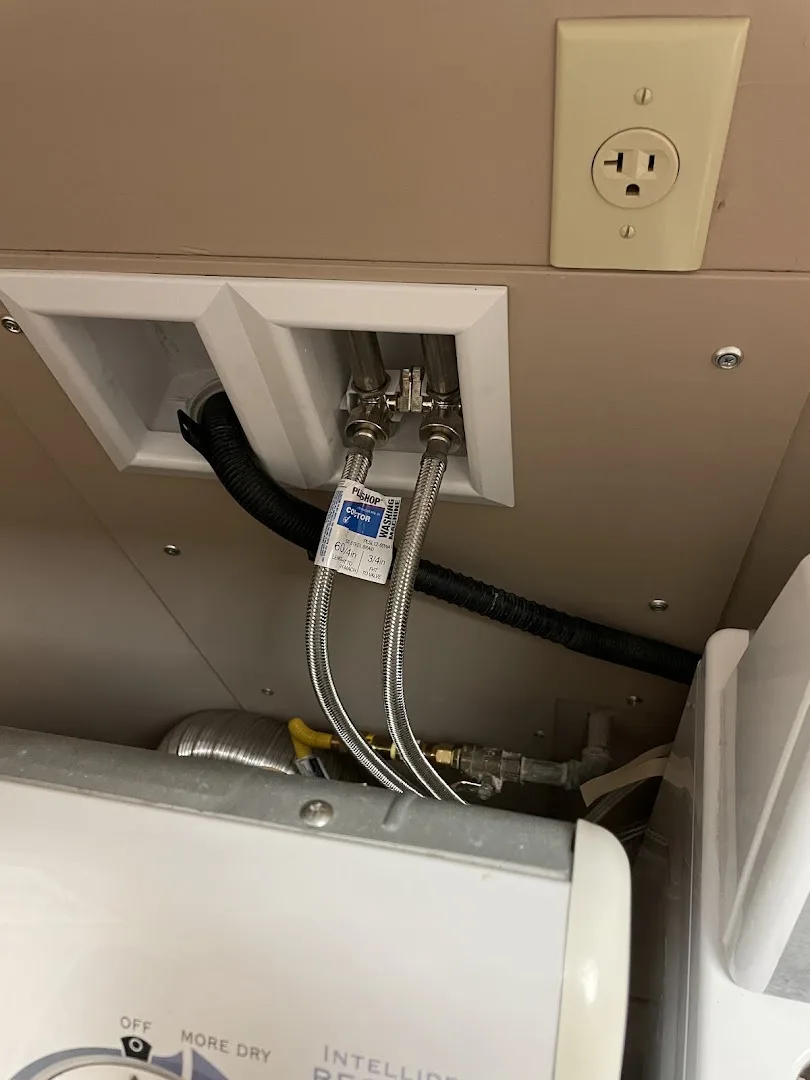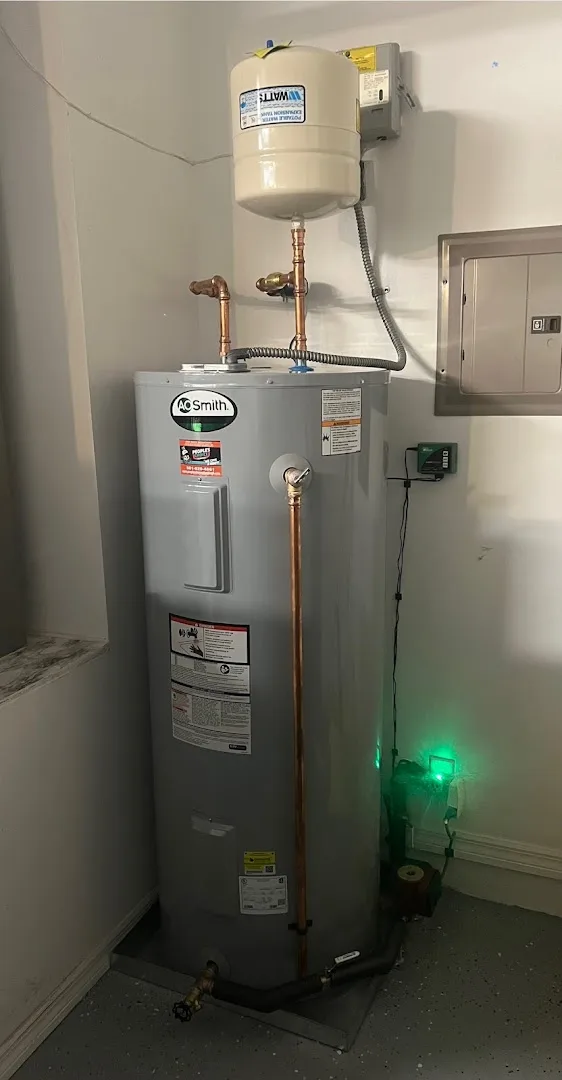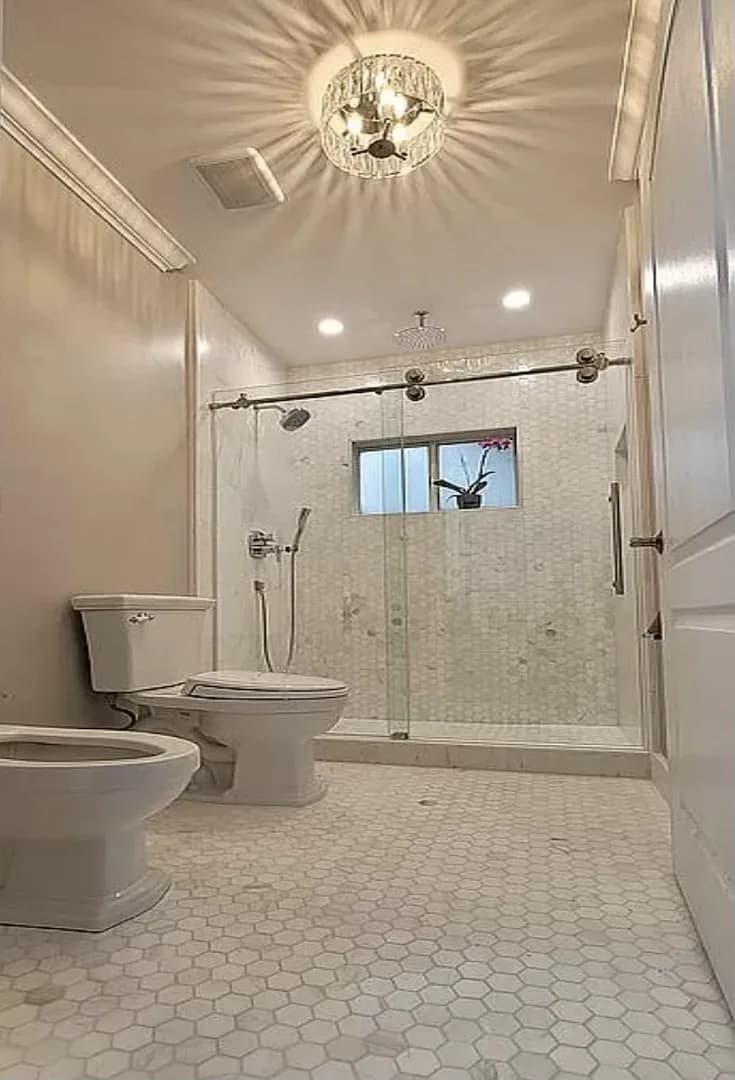
Your home's plumbing is easy to ignore — until it isn't. Most homeowners don't think about their pipes, drains, and water heater until something drips, clogs, or floods. A little working knowledge goes a long way: knowing which problems are simple, which are urgent, and which quietly cause damage helps you spend less and avoid emergencies. This guide is a plain-English overview of residential plumbing for homeowners in northern Palm Beach County and Martin County — the most common problems, what you can handle, when to call a professional, and how to keep your system healthy in Florida's demanding conditions.
What are the most common residential plumbing problems?
A handful of issues account for the majority of service calls. Knowing them helps you catch trouble early:
- Leaky pipes and faucets. The most common problem of all. A dripping faucet is usually a worn washer or seal; a leaking pipe can range from a minor fitting issue to a hidden leak inside a wall. Left alone, leaks spike your water bill and cause water damage, mold, and rot.
- Clogged drains. Hair, grease, soap, and food debris build up until water backs up. A single slow drain is usually local; multiple slow drains point to a deeper problem. See our guide on why a shower drain backs up.
- Running or clogged toilets. A toilet that runs constantly wastes enormous amounts of water; one that clogs repeatedly may signal a deeper line issue.
- Water heater trouble. No hot water, lukewarm water, or strange noises. Often repairable — our guide on water heater repair or replacement helps you decide.
- Low water pressure. Can stem from mineral buildup, a hidden leak, or a corroded line.
- Sewer line issues. Tree roots, grease, and aging pipe lead to backups. Recurring drain problems across the whole house often trace back here.
What plumbing problems can I handle myself?
Plenty of minor issues are reasonable do-it-yourself jobs for a handy homeowner:
- Replacing a worn faucet washer or a toilet flapper.
- Plunging a simple toilet or sink clog.
- Clearing hair from a shower or sink drain.
- Tightening a loose connection under a sink.
- Running a water meter test to check for a hidden leak.
The common thread: these are low-risk, easily reversible, and don't involve anything hidden or pressurized. If a simple fix doesn't solve it, that's your signal to stop before a small problem becomes a bigger one.

When should I call a plumber?
Call a professional when the problem is hidden, recurring, or carries real risk. Specifically:
- Any leak inside a wall, ceiling, or floor, or a leak you can't locate. Professional leak detection pinpoints it without tearing up the house.
- A clog that keeps coming back or affects multiple fixtures — a sign of a main-line or sewer problem.
- No water, or a burst pipe — shut off the main and call right away.
- A sewage backup into tubs or drains, which is a health hazard.
- A water heater leaking onto the floor.
- Anything involving the gas line — treat a gas smell as an emergency, leave the home, and call from outside.
- Work involving the main shutoff, the meter, or soldering near combustible materials.
The dividing line is simple: if water is going where it shouldn't, if you've lost a function you can't do without, or if the fix is behind a wall or under the slab, it's a job for a professional. Our same-day plumbing guide covers what qualifies as urgent versus what can wait for a scheduled visit.
What residential plumbing services do most homes eventually need?
Over the life of a home, most families end up needing a predictable set of services. A full-service residential plumber handles all of them under one roof:
- Drain cleaning — from a simple clog to full hydro jetting.
- Water heater repair and replacement, including tankless upgrades.
- Leak detection and slab leak detection for hidden leaks.
- Sewer line repair and camera inspection.
- Repiping, especially for older homes with polybutylene or galvanized pipe.
- Fixture installation — sinks, faucets, and toilets.
- Garbage disposal installation — repair, replacement, and new installs. See our garbage disposal guide.
- Emergency plumbing for the problems that can't wait.
Using one trusted local plumber for all of it means someone already knows your home when something goes wrong.
How do I keep my home's plumbing healthy in Florida?
Florida is hard on plumbing, so a little prevention pays off more here than almost anywhere. The essentials:
- Address hard water. Our mineral-rich water scales up water heaters, fixtures, and pipes. A water softener protects the whole system.
- Flush your water heater annually to clear sediment and extend its life.
- Don't pour grease down drains, and use strainers to keep hair and food out.
- Know where your main shutoff is and make sure it turns freely — your first defense in any leak.
- Schedule an annual plumbing checkup. A yearly inspection catches small problems before they become emergencies; our guide on annual plumbing maintenance explains what's included.
- If you leave for the summer, take extra precautions — see our snowbird checklist.
A local plumber for the whole home
Good residential plumbing comes down to catching problems early and knowing when to call for help. People's Choice Plumbing is a full-service residential and commercial plumber serving Jupiter, Palm Beach Gardens, Tequesta, North Palm Beach, Juno Beach, Hobe Sound, Stuart, Palm City, and Jensen Beach — for everything from a dripping faucet to a whole-home repipe.
Contact People's Choice Plumbing for residential plumbing service.
Talk to a licensed plumber
Get a firm quote for your home from People's Choice Plumbing, serving Jupiter, Palm Beach Gardens, and all of northern Palm Beach County and Martin County.
Frequently Asked Questions
What are the most common residential plumbing problems?
The most common are leaky pipes and faucets, clogged drains, running or clogged toilets, water heater trouble, low water pressure, and sewer line issues. Leaks are the single most common problem and cause the most hidden damage when ignored.
What plumbing problems can I fix myself?
Reasonable DIY jobs include replacing a faucet washer or toilet flapper, plunging a simple clog, clearing hair from a drain, tightening a loose connection, and running a water meter test. If a simple fix doesn't work, stop and call a professional.
When should I call a plumber instead of doing it myself?
Call a plumber for hidden leaks inside walls or floors, recurring or whole-house clogs, burst pipes, sewage backups, a leaking water heater, anything involving the gas line or main shutoff, or work requiring soldering near combustible materials.
How do I maintain my home's plumbing in Florida?
Address hard water with a softener, flush the water heater annually, keep grease and hair out of drains, know your main shutoff, and schedule a yearly professional inspection. Extra care is worth it because Florida's hard water and humidity are tough on plumbing.
Should I use one plumber for everything?
Using a single full-service local plumber for drain cleaning, water heaters, leaks, repiping, and emergencies means someone already knows your home's system when a problem arises, which speeds diagnosis and builds a reliable service relationship.